- Products - Normal / Quick View
- All Products 28
- Greens Of All Kinds 0
- Beets 0
- Head Lettuce 5
- herbs 3
- Carrots 1
- Asian Greens 1
- Bagged Greens 6
- Cabbage 0
- Egg plant 0
- kohlrabi 0
- onion 0
- Radish 0
- peppers 0
- Summer Squash 0
- Celery 0
- Turnip 1
- Fennel 0
- Pumpkin 0
- Kale 2
- Swiss Chard 1
- Potatoes 1
- Ginger 0
- Garlic 1
- Dandelion Greens 1
- Tomato 3
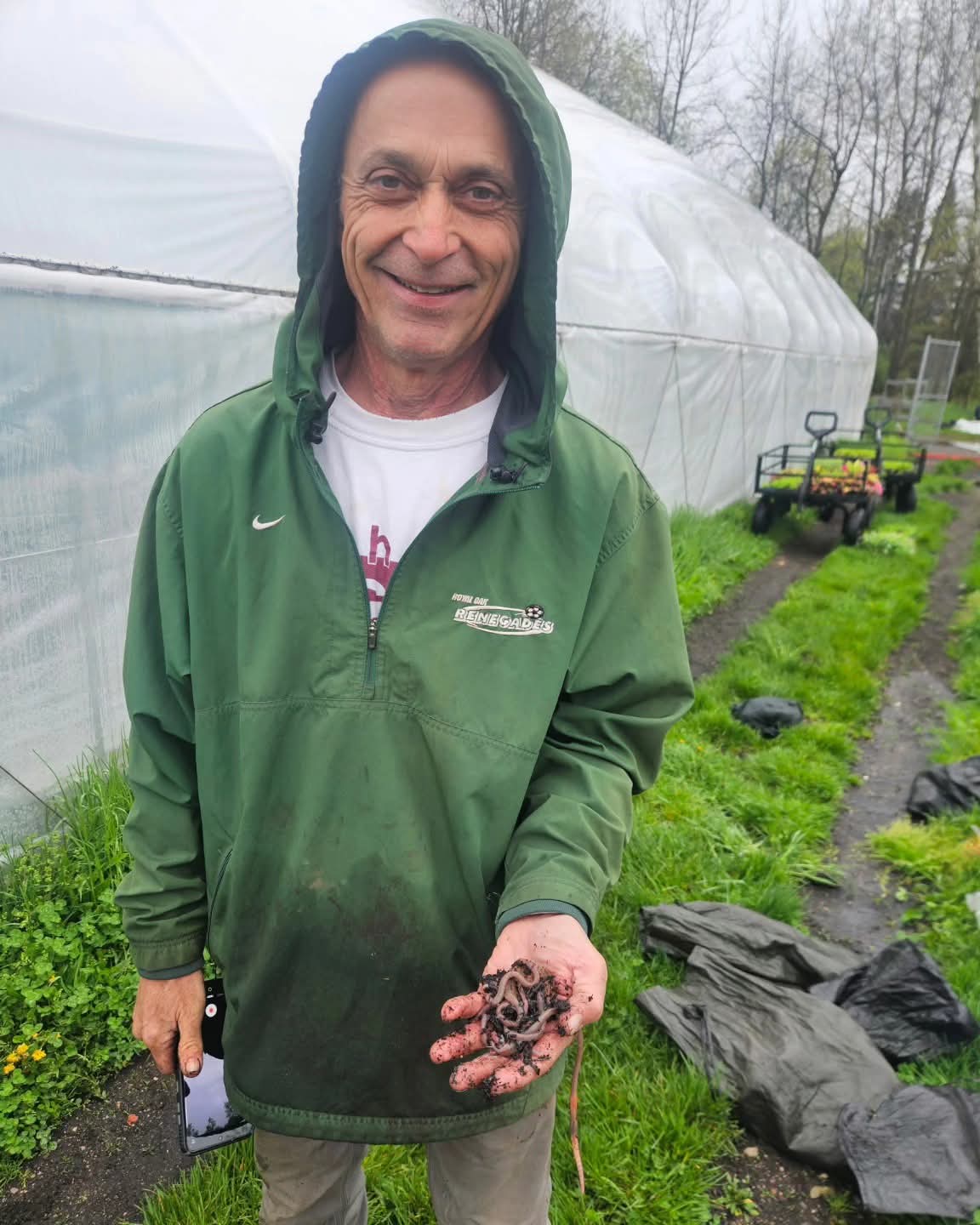 🌍 Farming with Intention
At Clarkston Farm, everything begins with soil health.
By feeding the soil and supporting the microorganisms within it, the farm creates a natural system where plants can truly thrive. This is why no-till practices are used—protecting that delicate underground ecosystem rather than disrupting it.
The result? Healthier crops, stronger plants, and even a significant reduction in pest pressure.
Other benefits include:
🌱 Soil Health
Protects soil structure instead of breaking it apart
Preserves beneficial microorganisms, fungi, and earthworms
Builds organic matter over time
Improves nutrient cycling
💧 Water Benefits
Better water infiltration (rain soaks in instead of running off)
Improves moisture retention during dry periods
Can reduce erosion from wind and heavy rain
🐞 Natural Pest Balance
Supports a healthier soil ecosystem that can improve plant resilience
Often encourages beneficial insects and biodiversity
Reduction in peat pressure
🌾 Crop & Farm Resilience
Can improve soil fertility naturally
May reduce compaction when managed well
Helps buffer crops against weather extremes
🌍 Environmental Benefits
Reduces erosion
Can store more carbon in soil
Uses less fuel if tillage passes are eliminated
Disturbs the ecosystem less overall
💵 Long-Term Sustainability
Can lower some input costs over time
Builds productivity through healthier soil rather than relying on constant intervention
Why many farmers choose it:
It follows a simple idea:
Feed the soil, and the soil feeds the plant.
That aligns closely with Soil food web and regenerative practices in Agroecology.
⚠️Important note
No-till can also have challenges—it isn’t a magic system. Weed management, residue handling, and transition years can be difficult. It works best when paired with practices like cover crops, compost, and thoughtful crop rotation.
It's not the easiest way to farm-but it's the right way.